
How to Book Artists for Events: Tips From a Pro Organizer
A practical guide to booking artists for events, covering artist search, profile review, fees, travel, timing, backup plans, and long-term working ties.
01 Apr 2026
A good artist choice can lift a room, steady a schedule, and give an event its emotional center. In contrast, a weak choice can drain energy, crowd attention, and budget in one move, so artist booking deserves a sharper hand than many hosts first expect. Someone’s Plan hits that pressure point and gives organizers a cleaner way to search, compare, book, and confirm talent for real event work.
Why The Right Artist Choice Shapes The Whole Event
A room reacts fast to live talent, and guests usually decide within minutes whether the night carries excitement or strain, which means the artist choice reaches far beyond entertainment and moves straight into guest memory, host reputation, and event rhythm. A singer can warm a formal dinner. A DJ can lift a late crowd. A dance act can open a launch with force and timing. The wrong act can pull attention away from the host’s goal.
Event entertainment lives close to emotion. People may forget the colors of flowers or chair covers. People remember the artist who held the room well. Good organizers treat that part seriously.
Artist Types For Different Event Formats
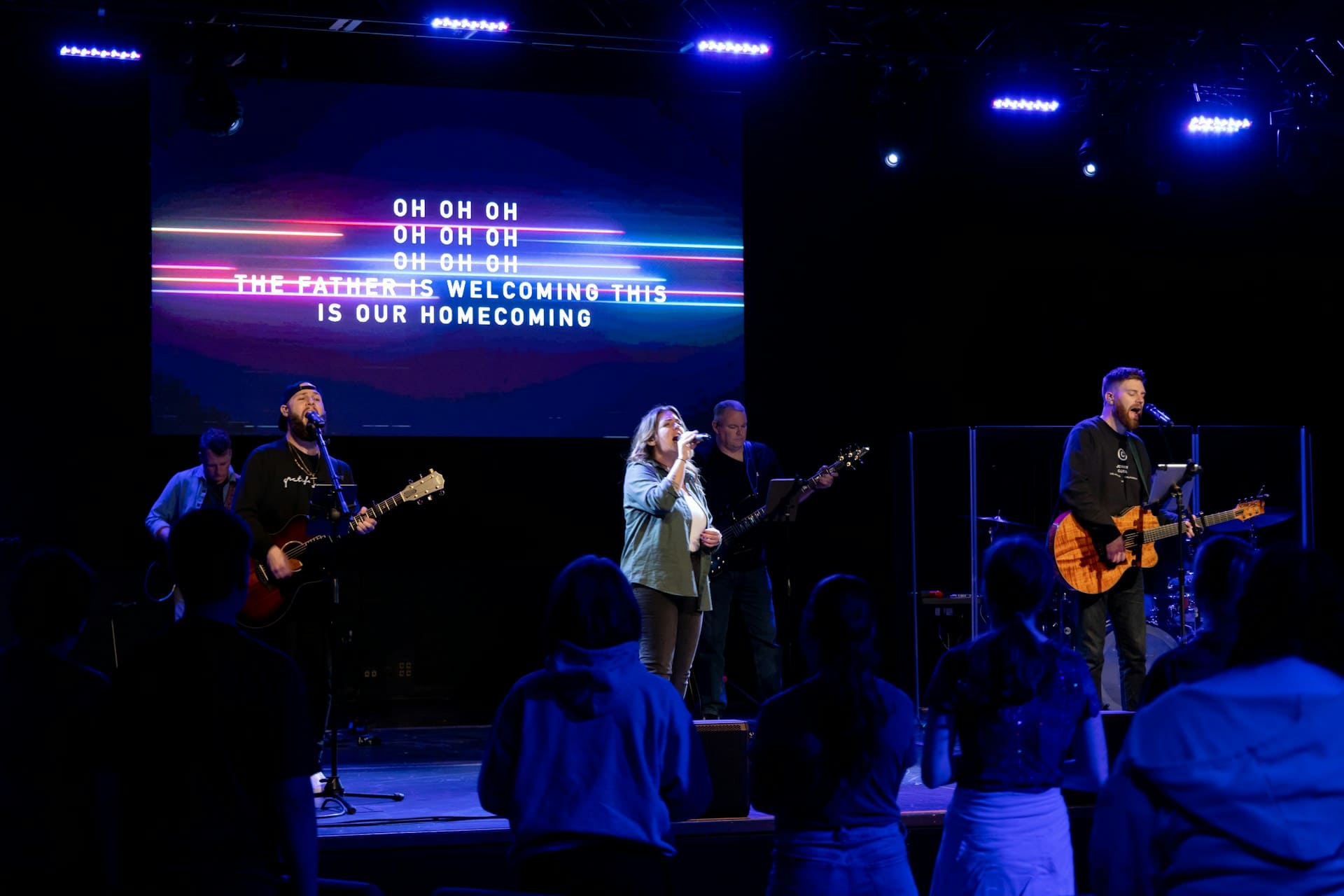
A wedding asks for one kind of voice. A gala asks for another. A private dinner may call for a small acoustic set. A corporate party may need a DJ who reads a mixed crowd well. A product launch may work better with a visual act that enters hard and exits fast.
Singers, live bands, DJs, dancers, hosts, instrumentalists, roaming acts, and specialty performers all fit different contexts. An organizer starts with the event’s purpose, guest mix, room size, and time block. A proper match grows from that reading.
Where Organizers Find Reliable Artists
Good artist search used to run on private lists, late-night calls, and friend referrals, yet online platforms have changed the pace by bringing together talent, media, reviews, and booking details in one place where organizers can compare options with less guesswork. Someone’s Plan gives that exact route. An organizer can review artists, check materials, compare offers, and move toward booking all inside one platform.
Referrals still matter. Venue managers matter too. Past event partners often know who arrives ready and who causes friction. Yet a digital artist marketplace saves hours and provides a broader perspective.
Choosing The Right Artist For The Event Type
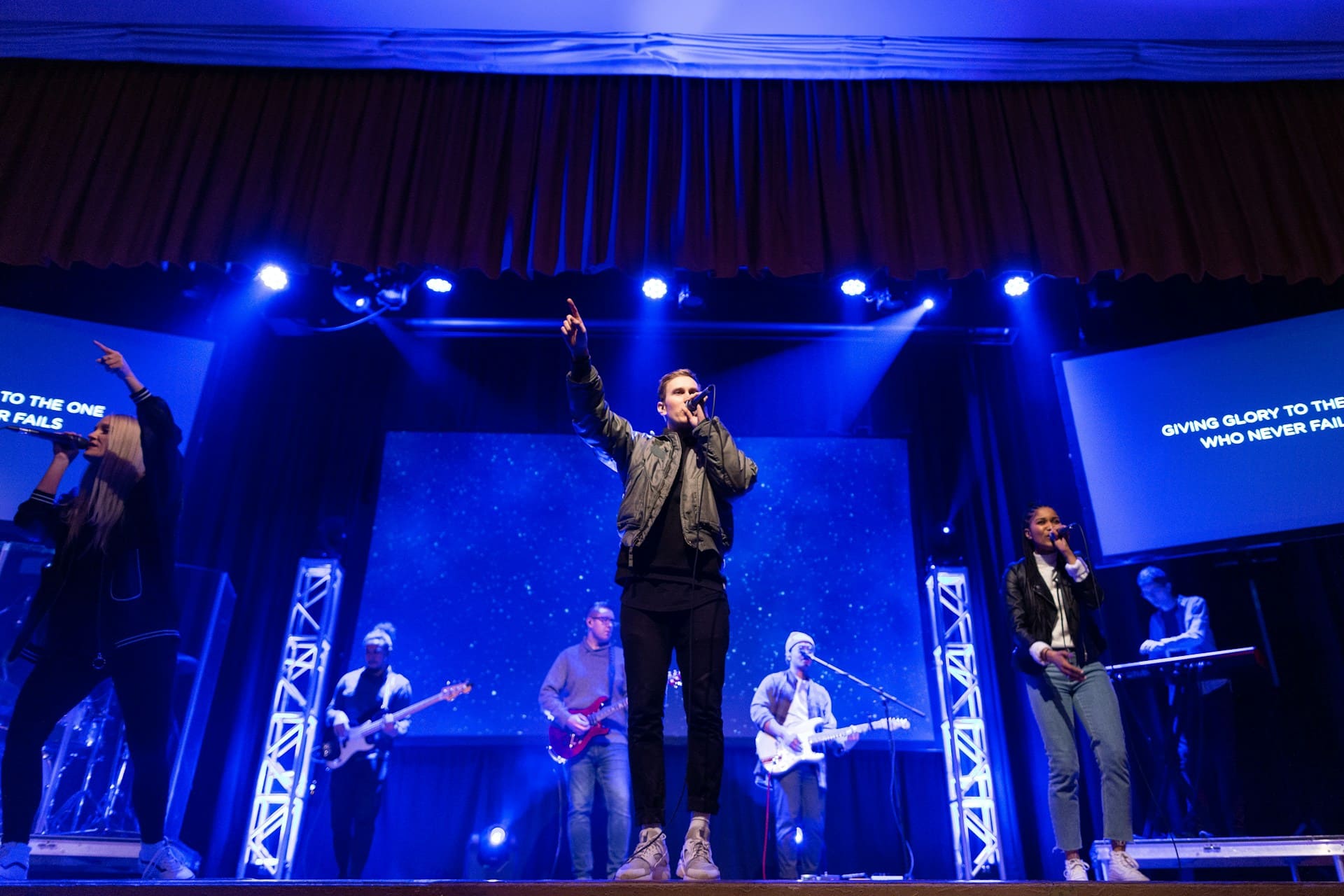
A strong organizer reads the room before reading the artist profile, because the room’s mood, event purpose, guest age range, and schedule shape the booking decision more than any famous name ever could. A loud act can overwhelm an intimate dinner. A soft act can disappear in a large ballroom. A polished corporate event often asks for restraint. A wedding may ask for warmth and crowd movement.
Budget matters here, too. A host should weigh the artist’s fee against what the act adds to the full event. Sometimes, one excellent performer is worth more than two average performers.
The Booking Route From First Search To Final Confirmation
Artist booking works best when the organizer follows a clear line: define the event need, shortlist possible acts, review profiles and media, request rates, compare offers, confirm availability, discuss terms, and lock the agreement in writing. Someone’s Plan makes that line easier because the platform consolidates these moves into a single space rather than spreading them across scattered messages.
A short list keeps judgment sharp. Too many names weaken comparison. Three or four serious options usually give enough room for a good decision.
How To Judge Artist Profiles, History, And Performance Level
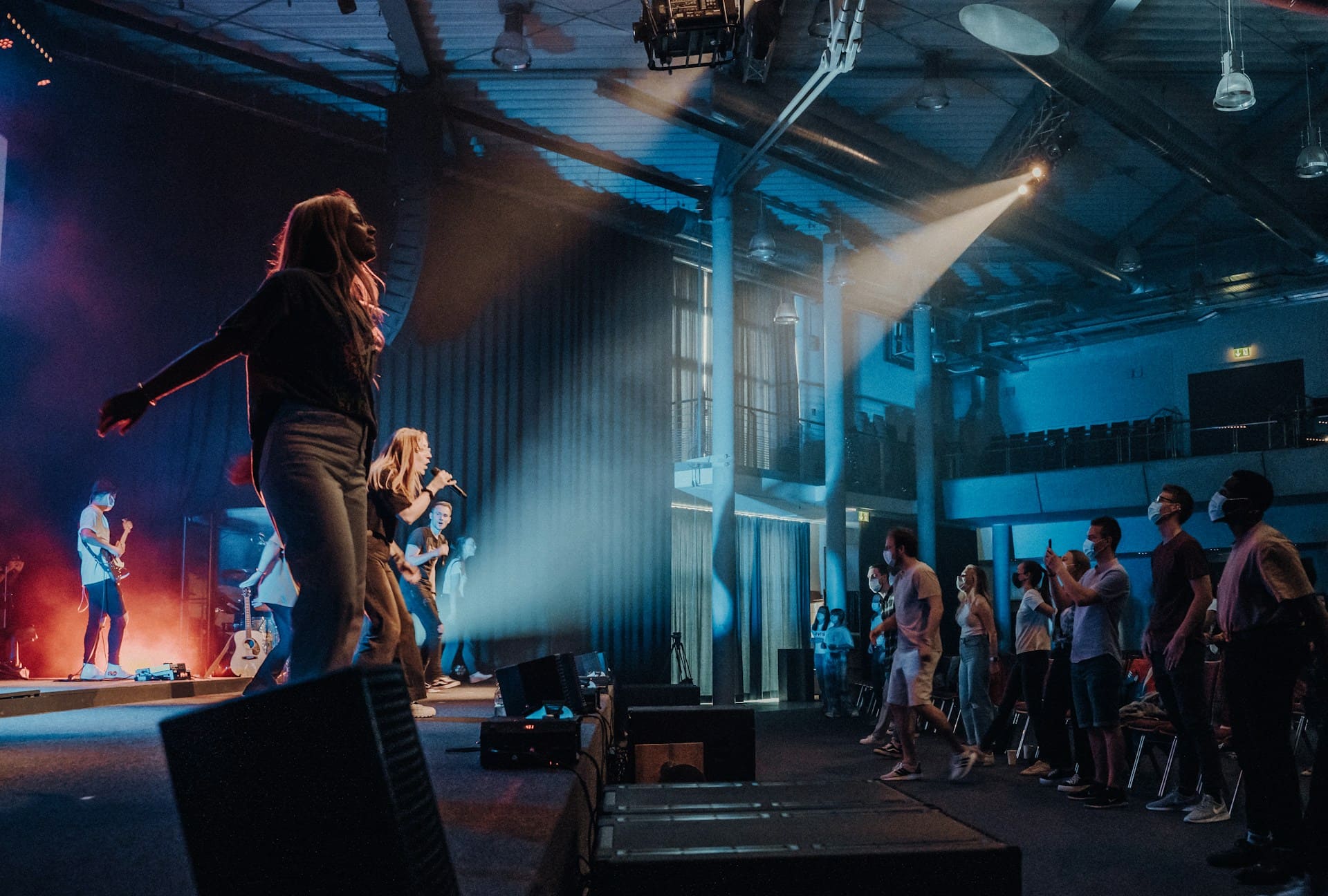
A polished profile helps, but polished text alone proves little, so organizers should look more closely at live clips, event history, response quality, and past client feedback before moving ahead with any booking. The video tells a strong truth. Crowd response tells another truth. Sound quality, timing, attire, and room control all appear there.
Reviews carry weight when they mention real event details. A note about punctuality matters. A note about crowd reading matters too. A note about hard behavior during setup matters a great deal. Organizers should read praise and tension with equal care.
Why Online Platforms Help With Artist Booking
Online platforms save time and reduce blind spots by aggregating artist discovery, comparison, communication, and booking records into a single workspace where an organizer can move from interest to confirmation with stronger information in hand. Someone’s Plan provides organizers with a practical path.
Artists also gain something from this model. They reach active buyers rather than cold leads. They receive real event requests rather than vague interest. Both sides work with better timing and fewer missing details.
Fees, Value, And Artist Budget Decisions
Artist fees vary for many reasons: event type, performance length, travel, technical needs, date pressure, wardrobe, and rehearsal demand all affect the final number, so an organizer should read a fee as a package rather than a single line on a quote. Low rates can hide weak preparation. High rates can still hold value when the act lifts the whole event.
Good negotiation starts with an honest scope. State the event type, room size, timeline, and budget range. Ask what the fee includes. Ask about overtime. Ask about travel. Ask about sound gear. Good answers usually come from artists who know their work well.
Schedules, Travel, And Availability
Dates create tension in artist booking faster than any other detail, because a single delayed answer can push an organizer toward second- or third-choice artists. In contrast, a single travel issue can upset an entire program on event day. Early calendar checks matter. Travel planning matters as well.
Out-of-city artists require flights, hotel rooms, local transport, and timing buffers. A local act may still need load-in details and parking information. Organizers should confirm arrival windows, soundcheck timing, and exit plans early in the process.
Communication Between Artists And Event Teams
Artist booking gains strength when communication remains direct, brief, and recorded in one place, because confusion often enters through split messages between the organizer, venue, technical crew, and artist manager. Someone’s Plan helps here by keeping core communication close to the booking itself.
A clear schedule solves half the stress. Share call time. Share stage time. Share the dress code. Share room notes. Share venue contact details. Artists perform better when the event team gives them solid ground before arrival.
Backup Artists And Contingency Plans
A wise organizer keeps one alternate option ready, because illness, travel trouble, or schedule conflicts can arise at the last minute and force a hard decision that feels easier when another option is already within reach. Backup choices do not signal fear. They signal experience.
The backup artist should fit the same general event need. The organizer should also keep a shorter program version in mind if timing compresses. Prepared organizers rarely panic. They pivot.

Follow-Up After The Event
Good follow-up can turn one booking into a long-term working tie, because artists remember organizers who pay on time, communicate well, and offer useful feedback after the event rather than disappearing once the lights go down. A short thank-you message matters. A note about crowd response matters too.
Strong working ties save time on future events. Trust grows. Communication gets easier. Rates become easier to discuss. Over a season, those ties can form an organizer’s strongest working circle.
Final Tips For Stronger Artist Booking
A strong booking usually comes from steady judgment rather than excitement, because the artist's choice touches the guest's mood, event pacing, and budget discipline in one move that deserves real thought before a contract lands on the table. Shortlist carefully. Watch full clips. Read reviews with patience. Ask direct questions. Confirm terms in writing.
Someone’s Plan gives organizers a practical route for artist discovery and event booking, and that matters most as the event date approaches and good judgment needs strong tools beside it.
 Instagram
 Youtube
 Facebook
 Linkedin
 Twitter