
How to Choose the Best Catering Service for Your Event
Choose event catering with a clear method that covers menus, pricing, food standards, staff, venue logistics, and contract terms for a strong result.
17 Mar 2026
A strong catering choice begins with a company whose team has already handled guest counts, venue rules, timing pressure, and menu shifts under real event conditions, since experience often shapes how food leaves the kitchen, how plates reach the room, and how the whole meal feels from first course to final plate. A proven team brings calm judgment. Guests feel it.
Another useful sign appears in the company’s past work across event types: a wedding dinner calls for one rhythm, a corporate reception for another, while a private party may call for a more relaxed meal plan with a different staff pattern. Ask what kind of events fill the company’s recent calendar. Ask which venues already know the team.
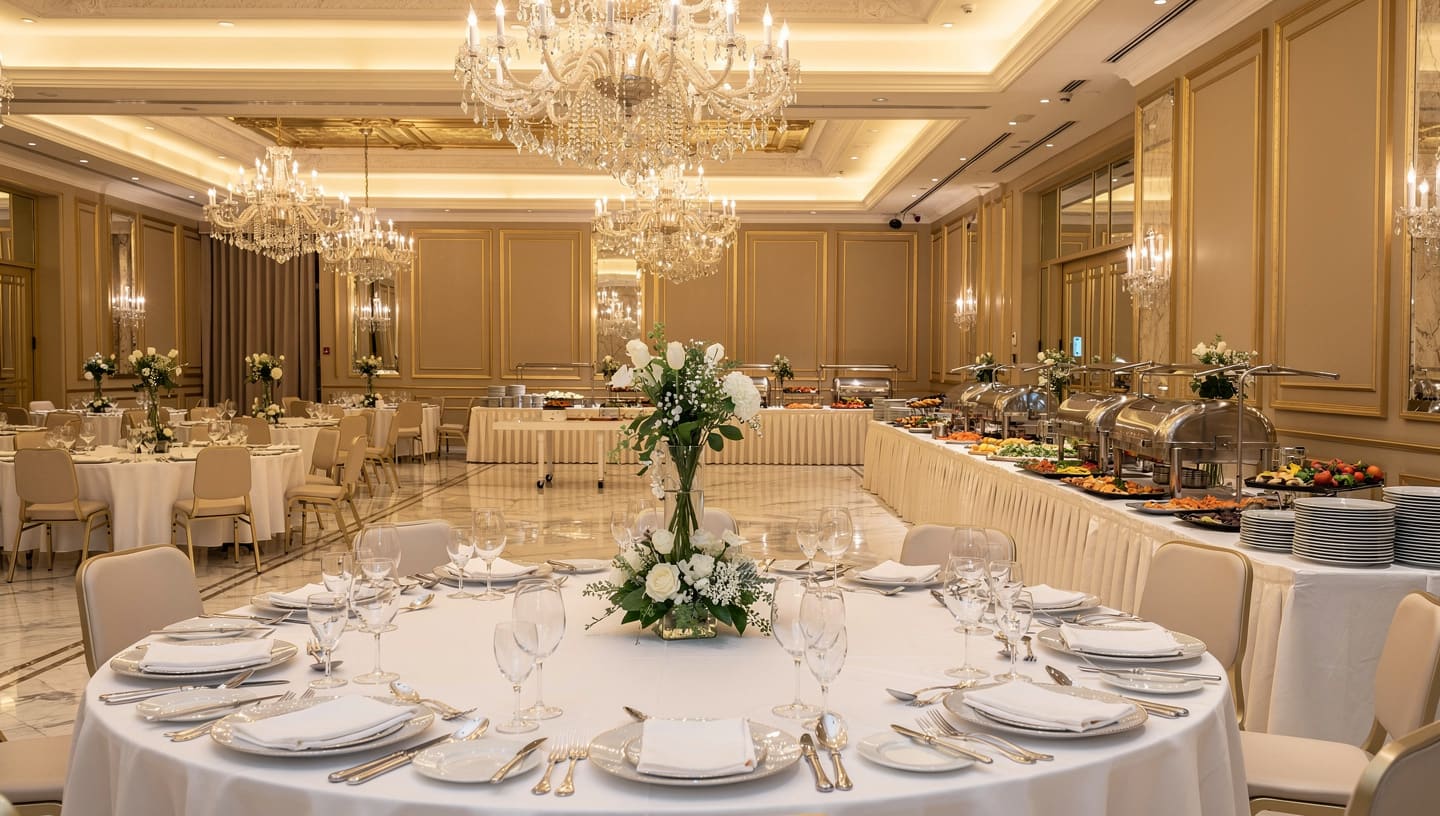
Review Catering Menu Options.
Menu review deserves time because food plays a large role in guest memory, and because a menu tells a story about the kitchen’s range, the chef’s taste, and the team’s ability to fit the event’s mood. Read every section with the guest in mind. Read it again with the budget in mind.
Seasonal items often signal freshness and kitchen confidence. In contrast, a menu that covers dietary needs, such as vegetarian dishes, gluten-free options, or child-friendly options, gives the host more room to welcome a mixed guest group. Ask for sample menus tied to guest count and meal format. Ask how the kitchen handles special requests.
Compare Catering Packages and Pricing.
Package review works best when the host lines up several proposals and reads them line by line, because price alone tells only part of the story, while staffing, equipment, delivery timing, tableware, and service hours often change the proposal's real value. A lower number may still lead to a larger final bill. A fuller package may deliver stronger value.
Careful review starts with a simple question: what enters the price and what stays outside the price. Ask about the chef count. Ask about servers. Ask about beverage stations. Ask about rentals. A good proposal feels complete on paper before event day arrives.
Check Food Quality and Plate Appearance.
Food quality extends beyond taste because guests read a meal with their eyes first, and then carry the memory through texture, temperature, portion size, and plate balance, which means a tasting session often gives the clearest picture of the company’s true level. Attend the tasting in person. Bring notes.
Plate appearance matters because events live in the atmosphere as much as logistics, and a caterer whose dishes arrive neat, thoughtful, and consistent often brings the same discipline to timing and kitchen order. Pay attention to seasoning. Pay attention to heat. Pay attention to portion balance.
Check Staff and Service.
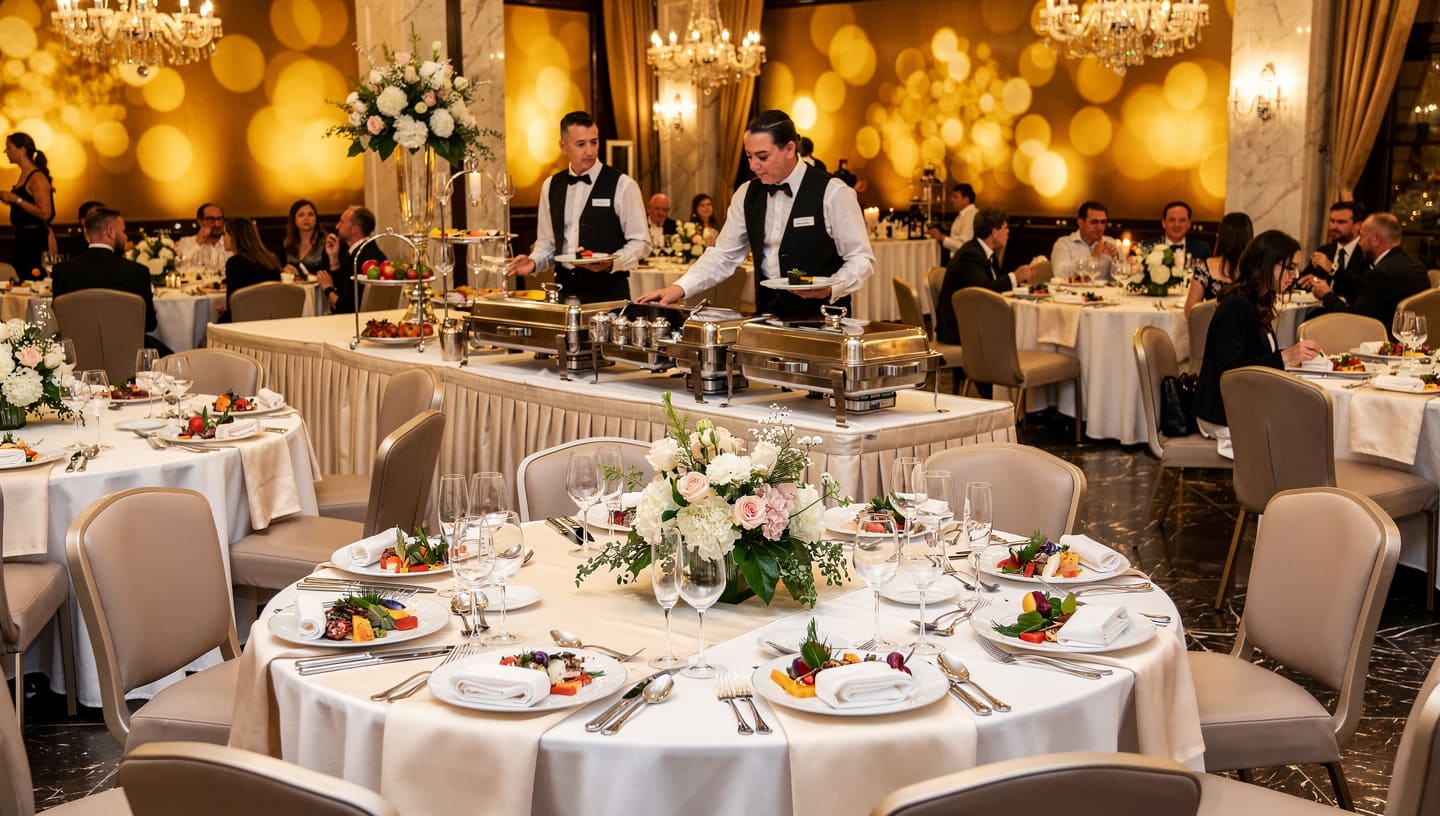
Staff quality shapes the room almost as much as the food does, since guests remember the way a tray reaches them, the tone of a reply, the pace of clearing, and the ease a team brings to a crowded floor during dinner service. Great staff lifts the whole event. Good food rises further in their hands.
Meeting the service manager before booking often reveals a great deal, because strong leaders speak with calm authority and can explain staffing plans, table flow, and guest care in clear human terms rather than vague sales language. Ask who leads the team on event day. Ask how many staff members will attend.
Read Catering Reviews and Client Feedback.
Reviews offer useful insight when they come from real hosts who discuss timing, food standards, staff conduct, and problem-solving under pressure, since public praise often captures the small details that brochures leave out. Read the short reviews. Read the longer ones too.
Client feedback matters most when patterns repeat across many comments, because one happy note may come from a perfect fit, while ten similar notes usually point toward a team that delivers steady work. Look for repeat praise around punctuality, kitchen quality, and staff manners. Look for feedback tied to events similar to your own.
Confirm Logistics and Venue Readiness.
Logistics shape catering success from the first van arrival to the final tray return, and a wise host checks how the company handles kitchen access, power supply, refrigeration, loading times, lift access, and venue rules long before event day appears on the calendar. Great food still needs a practical route into the room. Great planning opens that route.
Venue knowledge helps a great deal here, because a caterer who already knows the site can work more easily and map out setup hours, staff entry points, and kitchen placement in advance. Ask whether the team has worked at your venue before. Ask who will visit the site before the event.
Discuss Contracts and Booking Terms.
A contract deserves close reading because it consolidates the budget, menu, schedule, staffing count, and payment plan in one place. At the same time, a well-written agreement protects the host’s peace of mind and provides the catering company with a clear path for preparation. Read slowly. Ask questions early.
Important terms often include deposit size, final guest count deadline, cancellation terms, overtime rates, and damage responsibility for rentals or equipment, so a short meeting with the sales manager or account lead can save many future questions. A strong contract feels balanced. Both sides should see the same picture.
Confirm Setup and Cleanup Work.
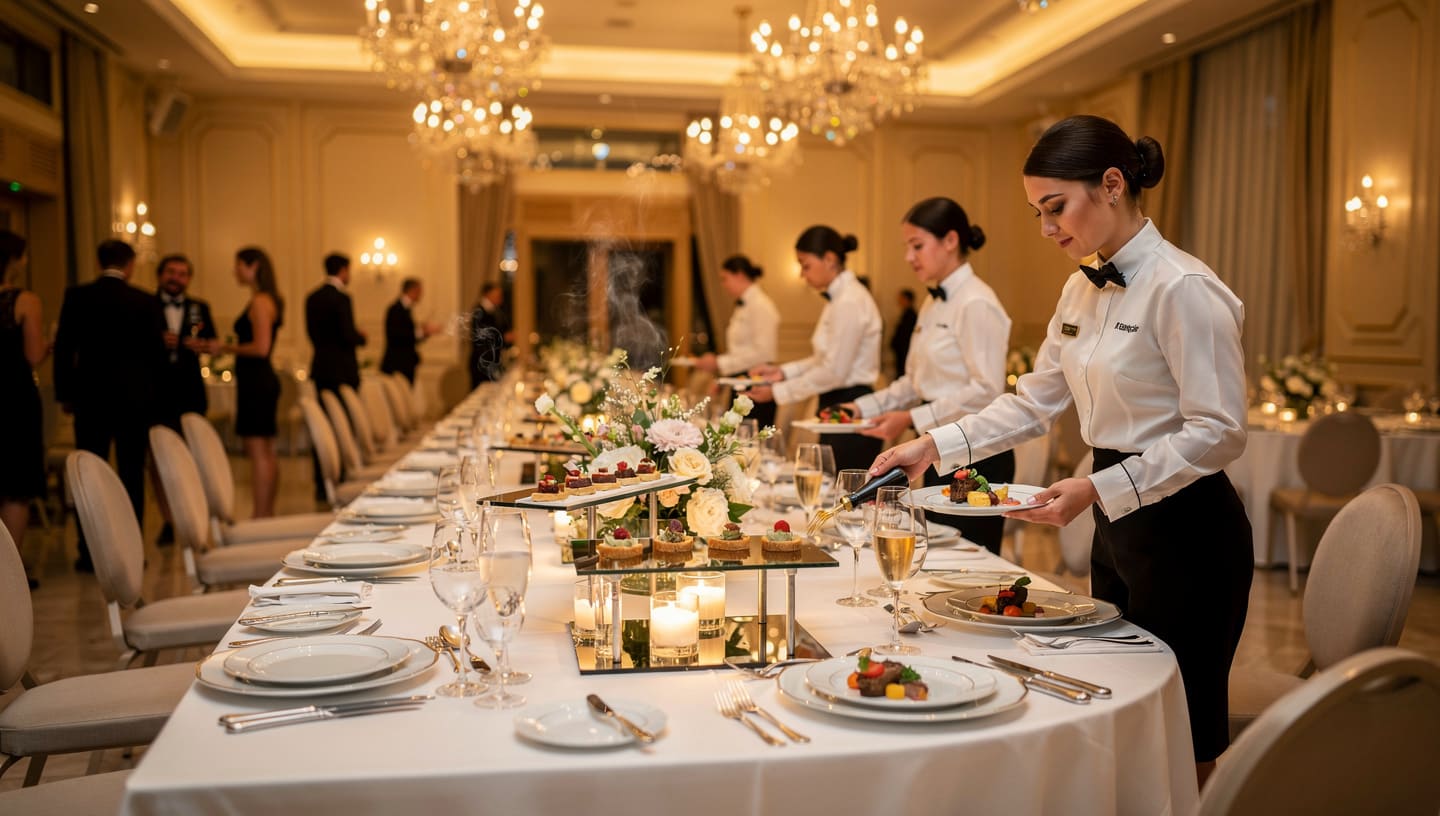
Set up and cleanup matter because they affect venue access, guest arrival, and post-event timing, and many hosts discover their real workload only after they ask who lays the tables, who clears the plates, who packs the leftovers, and who handles waste removal after the final guest leaves. Ask those questions before signing.
A full-service caterer usually covers table setup, buffet layout, service equipment, clearing, and kitchen breakdown. At the same time, a lighter package may leave some of that work in the hands of the host or venue. A written list helps here. Put each task beside the responsible party.
A Strong Catering Choice
A wise catering decision grows from patient review rather than quick excitement, because food, staff, logistics, and contract terms all meet in one result on event day, and because the right partner often shows strength in steady details rather than dramatic promises. Good judgment wins here. Time spent early pays back later.
Someone’s Plan helps hosts navigate that search with less friction, since the platform brings catering companies into one digital space where menus, package details, rates, and feedback can sit side by side for review before a booking moves forward. A host gains a clearer path. A better event often begins there.
 Instagram
 Youtube
 Facebook
 Linkedin
 Twitter