What Is a Bidding Platform for Events and How It Works
Event bidding platforms let organizers post a single request, review vendor offers, compare prices, pay safely, and confirm bookings in one place.
10 Mar 2026
The Idea Behind an Event Bidding Platform
Event planning once leaned on long call chains, scattered email threads, personal contact books, and a good deal of guesswork. Yet a bidding platform changes that picture by giving organizers one place to post a request and another to review vendor and performer offers. Someone’s Plan lives inside that idea. An organizer enters the date, venue, budget range, guest count, and service needs. The platform then opens the door for relevant vendors and performers who want the work.
A bidding platform gives shape to a simple exchange. One side needs services. Another side offers them. The platform keeps the exchange orderly, visible, and easy to review. Organizers gain a cleaner path to booking, and vendors gain direct access to real event demand.
Why More Organizers Choose Bid-Based Event Booking
Modern event work moves fast, and organizers value any method that trims wasted hours, shortens vendor search time, and places reliable options in front of them while the event still holds strong momentum. Bid-based booking answers that need to be well. A planner writes a single request instead of repeating the same details to 10 separate suppliers. The request then reaches relevant providers through the platform.
More organizers also appreciate the model's fairness. Vendors and performers submit their best offer. Organizers read those offers side by side. The process feels open and grounded in facts. Cost, scope, timing, and experience all sit in view. Better decisions follow.

How an Event Bid Platform Moves From Request to Booking
Someone’s Plan follows a clear sequence that starts with the organizer’s brief and ends with event confirmation, payment handling, and direct communication between the selected provider and the event owner. The organizer starts the flow by entering the event details. The platform routes the request toward matching providers. Providers read the brief and submit offers. The organizer reviews the offers and selects a suitable one.
After selection, payment is processed on the platform. Confirmation arrives. Direct chat then opens for final event details. The event moves forward with one shared record that holds the request, offer, payment, and booking trail.
Posting an Event Request
An event request captures the practical details of the event, so the strongest requests include useful details such as date, location, type of gathering, guest count, time window, expected setup needs, and the budget range for the service in question. Someone’s Plan gives organizers a direct place to enter all of that. A strong request helps providers respond with serious offers.
Organizers benefit from writing with care. A clear brief invites stronger proposals. A weak brief invites confusion. The quality of the request shapes the quality of the replies. Good booking starts there.
How Vendors and Performers Send Offers
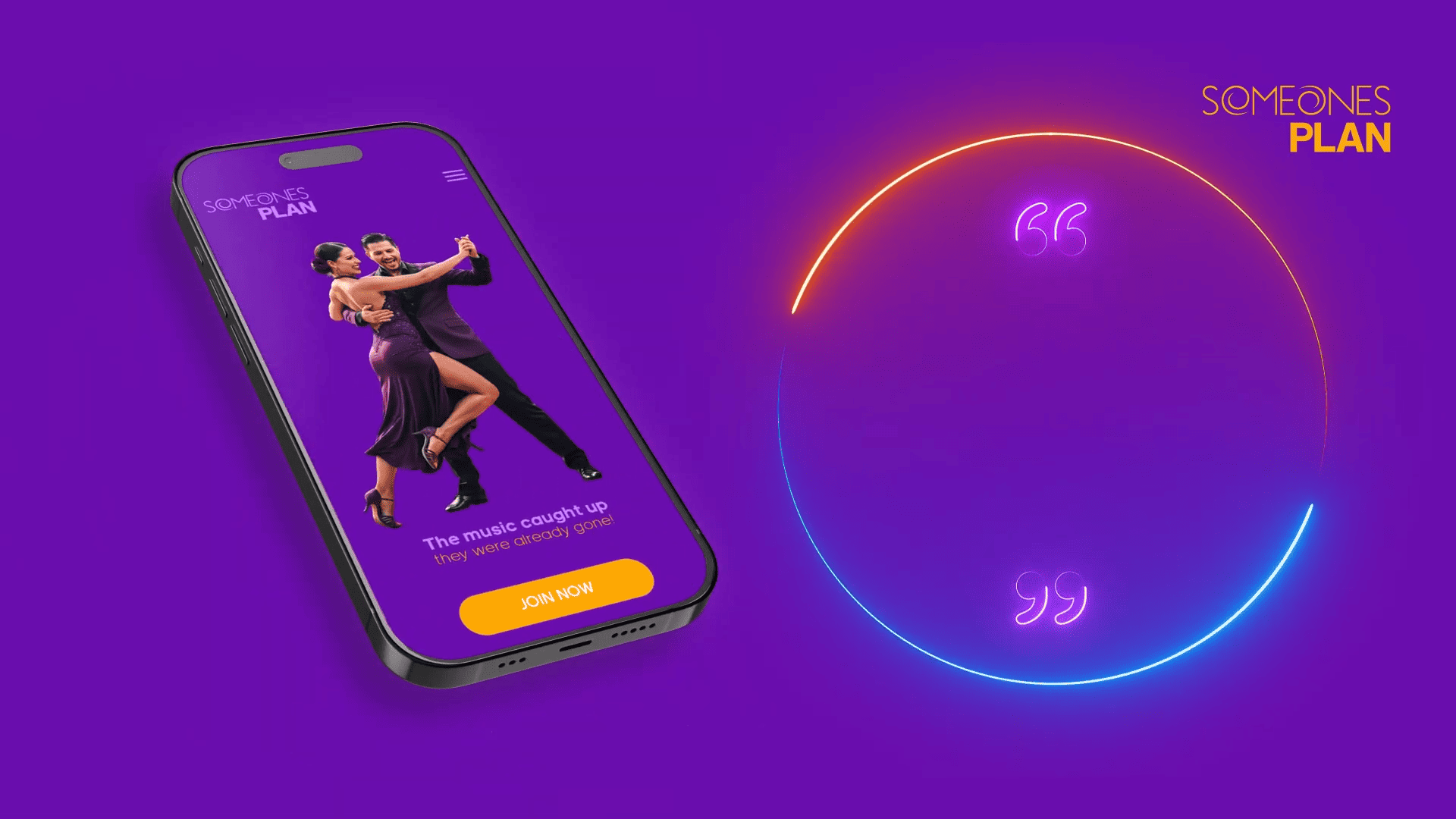
Providers read the event brief and decide whether the event fits their calendar, service type, price range, and working conditions. They then send an offer outlining their fee, what they will provide, and any useful notes on timing or logistics. Someone’s Plan keeps that offer inside the booking flow. The organizer reads it in the same place where the request began.
Vendors gain a cleaner sales path in this model. They reach people who already need services. They avoid random outreach. They present their value directly. Performers gain the same advantage. A singer, DJ, host, or dance act can review the brief and quote based on real event details rather than vague early-stage talk.
Reviewing Proposals and Choosing the Right Fit
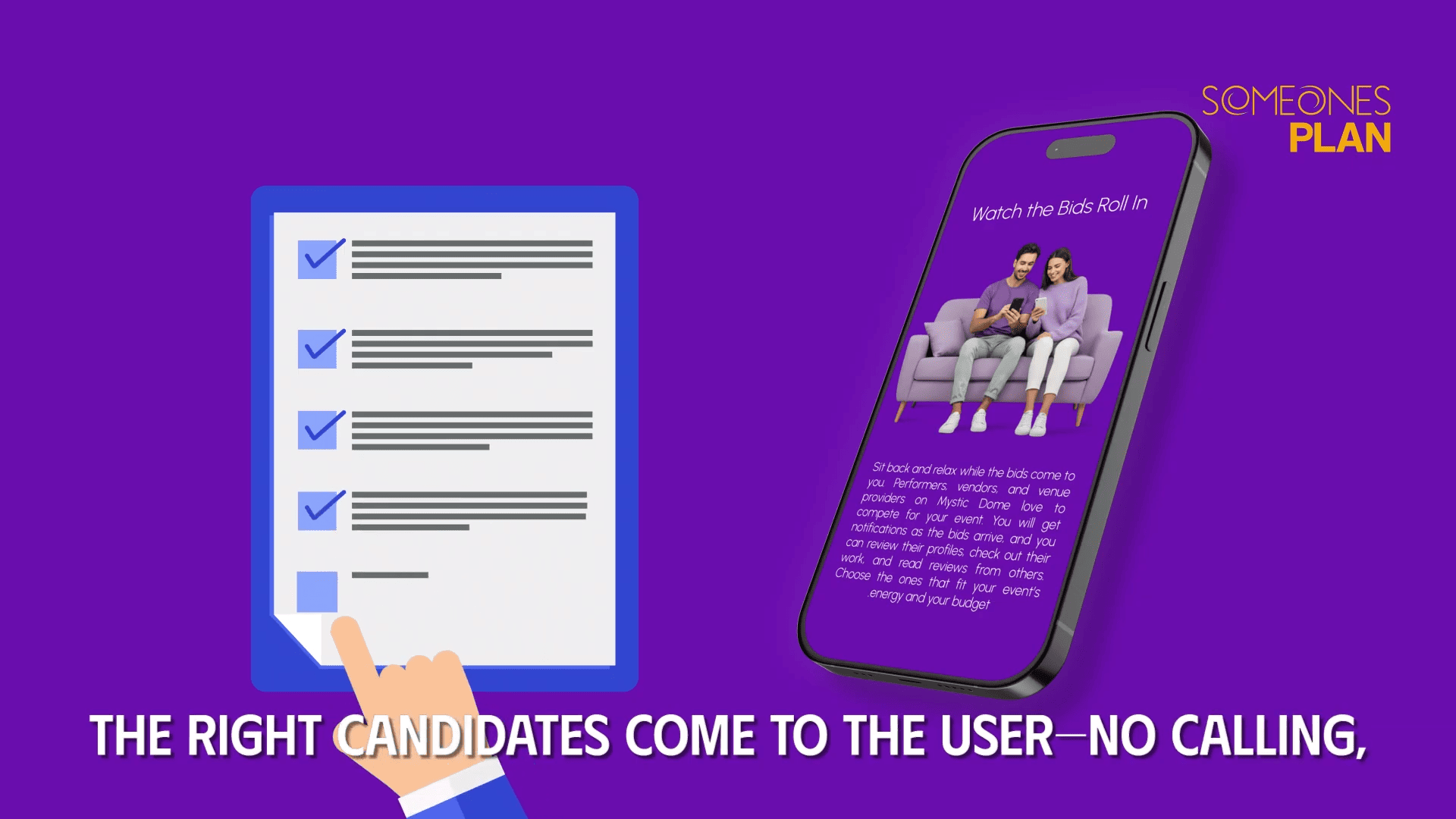
An organizer rarely chooses on price alone, because event work lives in the details of delivery, timing, reputation, and reliability. The strongest platforms present proposals in a format that makes comparison easy across cost, reviews, portfolio materials, and service scope. Someone’s Plan supports that comparison well. An organizer can review several offers on a single dashboard and weigh the trade-offs with calm judgment.
One proposal may offer a lower rate and fewer extras. Another may cost more and include equipment, setup support, or broader service hours. The point of the platform is not speed alone. The point is better judgment. A clear side-by-side review helps an organizer choose the right fit for the actual event.
Payments and Event Confirmation
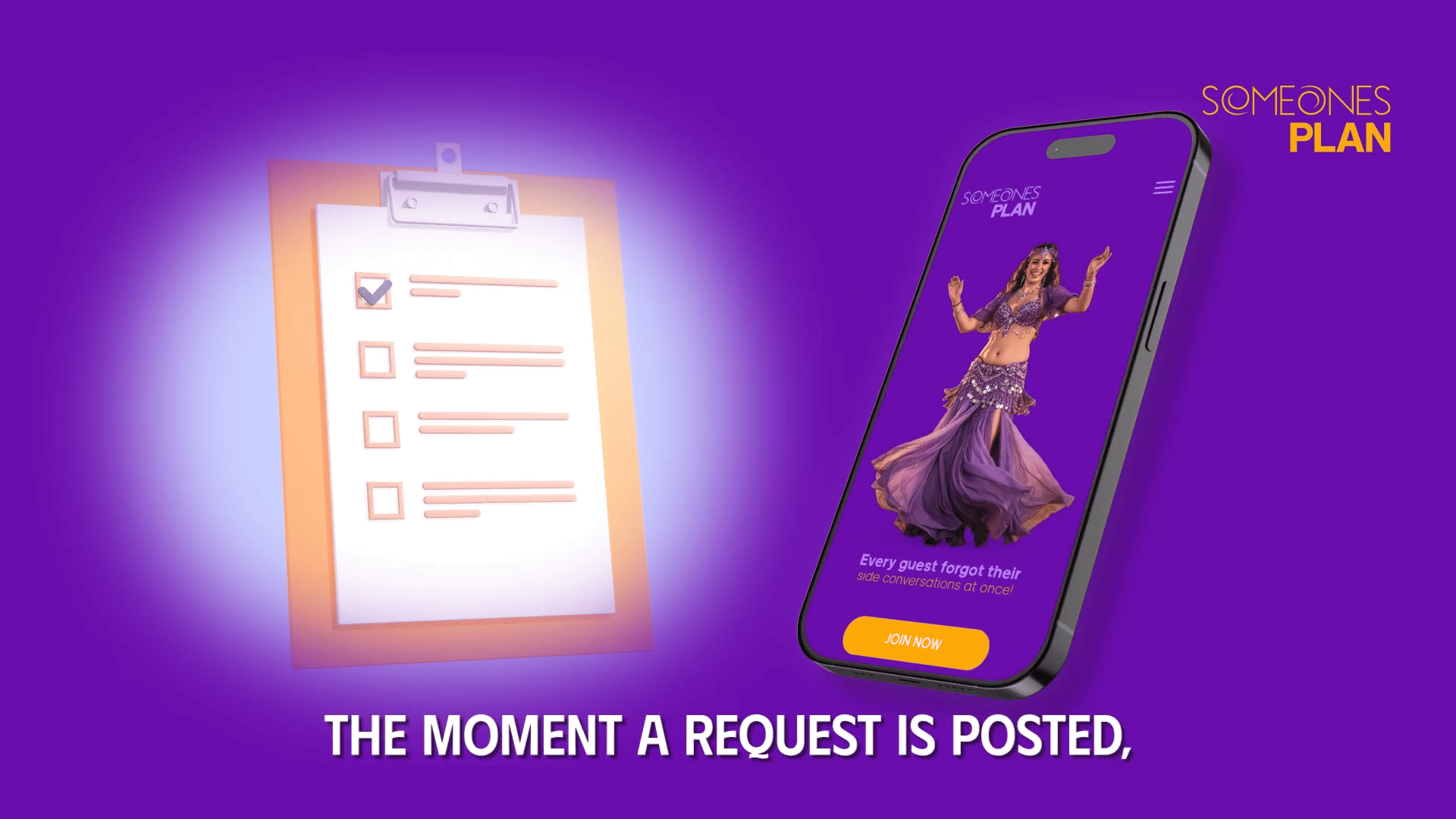
Payment often creates the greatest tension in event work, since both sides want confidence before the event date. A digital event marketplace builds trust by providing organizers and providers a safe route for transaction handling and booking confirmation. Someone’s Plan supports that route. Once the organizer selects a provider, the platform handles payment and confirms the booking in one place.
That matters because event work often depends on dates, equipment blocks, staff allocation, and travel timing. Confirmation locks the work into place. Providers can prepare. Organizers can proceed to the next event task with greater confidence.
Reasons Event Teams Choose Bid-Based Booking
Teams choose bid-based booking because it reduces repetitive outreach, provides better price visibility, supports stronger vendor comparison, and helps organizers find service providers who actually want the event rather than those who merely respond to a cold message. The model respects time on both sides. It also respects the event budget.
Another benefit lies in record-keeping. Requests, offers, and confirmation details stay within a single path. Teams can review earlier decisions when questions arise. The platform becomes part booking tool, part working archive. For busy planners, that holds real value.
How Someone’s Plan Eases Event Booking
Someone’s Plan takes the basic idea of an event bidding platform. It turns it into a working method that helps organizers post requests, receive proposals, compare providers, confirm bookings, and keep the event conversation in one shared place from first brief to final delivery. That continuity matters. It removes friction.
A planner who handles several events gains even more value from that continuity. One request for a venue. Another for audiovisual support. Another for a performer. All of them move through the same platform. All of them remain visible. A digital event marketplace becomes part of the planner’s day-to-day working rhythm.
Why Online Event Marketplaces Lead the Next Phase of Event Planning
The next phase of event planning leans toward faster procurement, stronger visibility, cleaner payment handling, and better vendor selection, and online event marketplaces address those needs with a model that aligns with how modern organizers already work across devices, deadlines, and many moving parts. Someone’s Plan fits directly into that direction. It turns event booking into a process with fewer blind spots and stronger records.
Corporate teams, private organizers, agencies, and independent planners all gain from that shift. A marketplace gives them access to multiple providers through one route. A bidding model invites competition. A shared dashboard improves decisions. Event planning then feels less fragmented and more deliberate.
Event booking becomes easier when a single request reaches the right providers, when proposals arrive in a clear format, and when payment and confirmation sit in the same path rather than scattered across tools and conversations. That is the core idea behind an event bidding platform. Someone’s Plan brings that idea to life in practical terms.
Organizers need speed, better comparison, clean records, and direct access to real service providers. Vendors and performers need real opportunities and a serious place to pitch their work. A digital event marketplace gives both sides that meeting point. Someone’s Plan gives it shape.
 Instagram
 Youtube
 Facebook
 Linkedin
 Twitter